
The hip is a ball-and-socket joint, which allows for fluid movement of our bodies. Whenever we use the hip, a cushion of cartilage minimizes friction as the hip bone moves in the socket. With age, the cartilage can wear down or get damaged. Muscles and tendons in the hip can tear or become inflamed and injuries from falling or other accidents can cause a break or fracture to the hip. Hip pain is often felt in the groin or over the hip joint, but can be experienced differently by individuals.
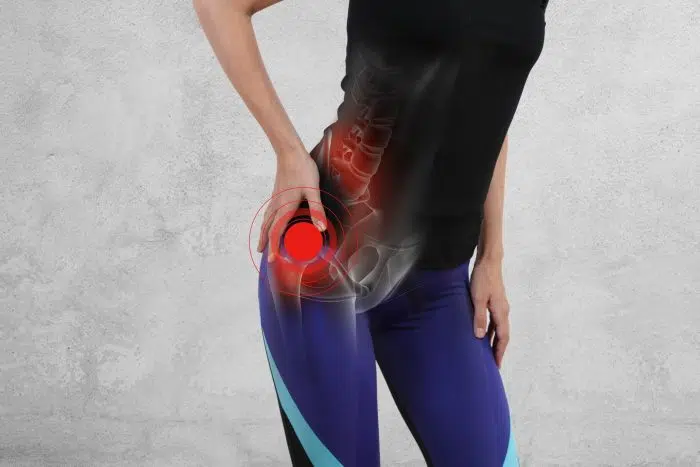
Not all hip and pelvis pain is caused directly by issues of the hip joint or tissues surrounding it. In women, a condition known as endometriosis can occur when endometrial tissue appears on the outside of the uterus, causing pain in the pelvis.
Effective treatment of hip pain begins with a thorough diagnosis by a pain management specialist or other licensed physician. Depending on the diagnosis, treatment options may include:

The pain management specialists at Cayman Neurology and Pain Management use a holistic approach where all potential modalities to alleviate pain are incorporated into a treatment plan throughout a patient’s life. Any changes to patients’ symptoms will be addressed on an ongoing basis. Integrating lifestyle changes with a range of treatment options allows the patient to minimize degeneration and lay the ground for improvement.
If you or a loved one suffers from hip pain, schedule a consultation with our specialists at Cayman Neurology and Pain Management. Call (345) 943-6900 or click the link below to request an appointment.
Signs of a hip fracture may include toes turning outward on the injured side, or trouble straightening, lifting, or standing on the affected leg.
The labrum is a ring of cartilage around the rim of the hip socket that cushions and secures the top of the thighbone. It can tear from trauma or overuse, and athletes and people who make repetitive twisting movements are more prone to it.
Yes. Hip pain can sometimes come from back issues such as misalignment, a herniated disc, sciatica, or muscle weakness.
No. In women, for example, endometriosis can cause pain in the pelvis.